

Mushrooms are far more than just ingredients in food or wellness supplements. In fact, fungi are some of the most fascinating and misunderstood organisms on the planet. They play a crucial role in nature, connect ecosystems, and even influence human culture in unexpected ways.
Whether you are interested in functional mushrooms, wellness trends, or nature itself, these fun mushroom facts may surprise you and change how you see fungi forever.
Although mushrooms grow from the ground like plants, they are actually genetically closer to humans than to vegetation. Fungi breathe oxygen and release carbon dioxide, just like people. Additionally, their cellular structure shares similarities with animal cells rather than plant cells.
Because of this, mushrooms behave very differently from plants, especially when it comes to nutrient absorption and growth.
The mushroom you see above ground is only a small part of the organism. Beneath the soil lies a vast underground network called mycelium. This network can spread for miles and act as a communication system between plants and trees.
Some scientists even refer to mycelium as nature’s internet because it helps ecosystems share nutrients and information.
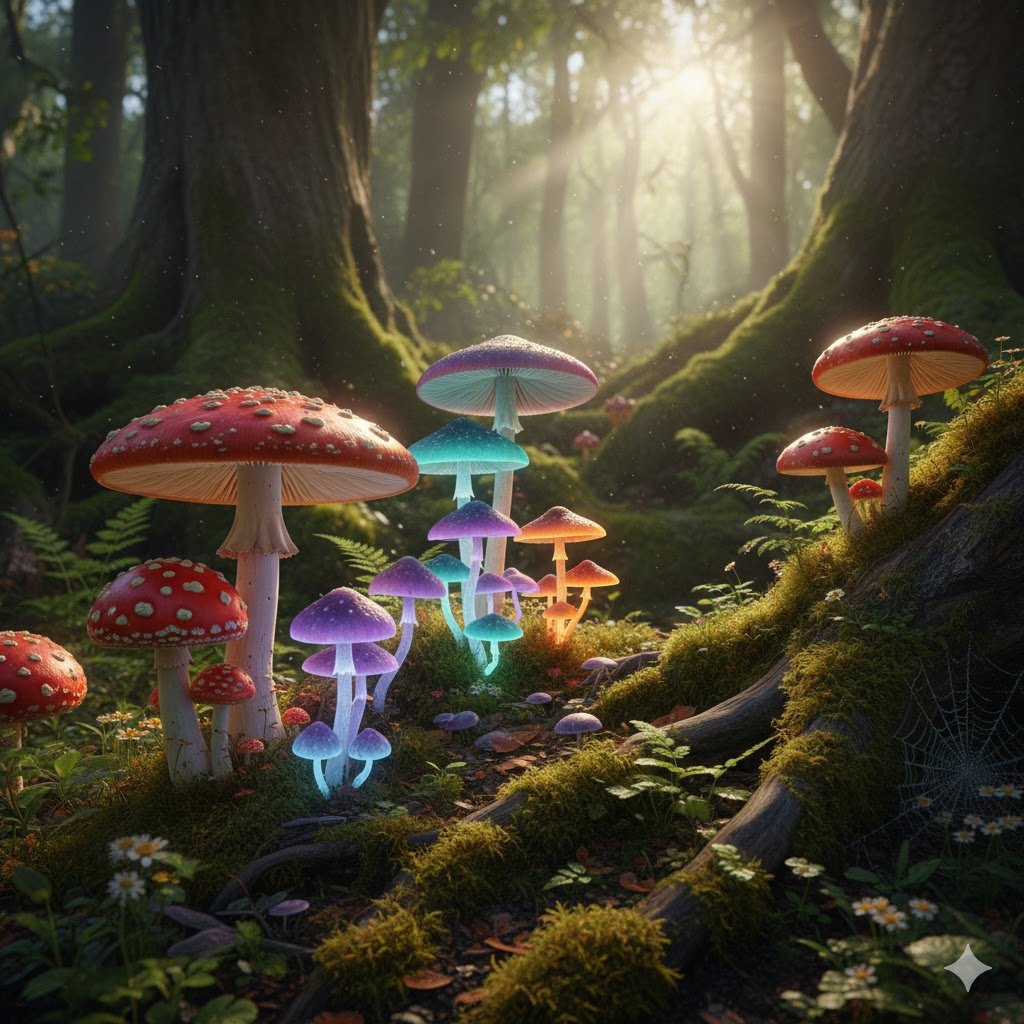
Bioluminescent mushrooms exist naturally and glow in dark environments due to chemical reactions within their cells. This glow is not just for show. It helps attract insects that spread spores, supporting mushroom reproduction.
These glowing mushrooms can be found in forests around the world and are one of nature’s most magical sights.
Mushrooms are incredibly resilient. Some species can survive radiation, freezing temperatures, and extreme environments. Certain fungi have even been found growing in areas affected by nuclear disasters.
Because of this resilience, mushrooms are studied for their potential role in environmental cleanup and space exploration.
Humans have used mushrooms for food, spiritual practices, and wellness for thousands of years. Ancient cultures valued mushrooms for their perceived ability to support energy, focus, and balance.
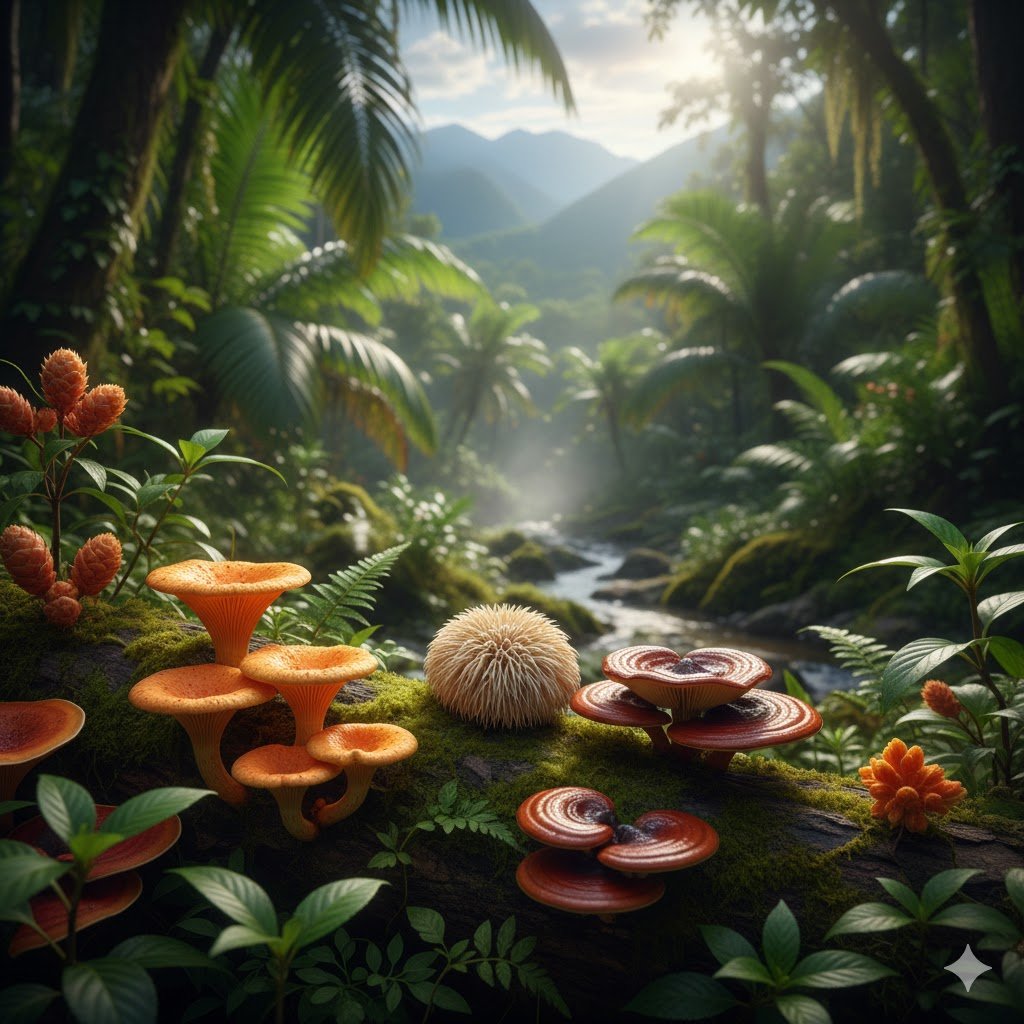
Today, functional mushrooms like Lion’s Mane, Reishi, and Chaga continue this tradition in modern wellness routines.
Mushrooms sit at the intersection of science, nature, and culture. They support ecosystems, inspire wellness trends, and challenge how we understand life on Earth. Because research into fungi is still evolving, many experts believe we have only scratched the surface of what mushrooms can do.
As interest grows, mushrooms continue to gain recognition for both their mystery and their usefulness.
For more education on plant-based wellness, conscious consumption, and mushroom culture, explore Ganja Store.
Q1: Are mushrooms considered plants?
No, mushrooms belong to the fungi kingdom, which is separate from plants and animals.
Q2: Why are mushrooms important to the environment?
Mushrooms help break down organic matter, recycle nutrients, and support healthy ecosystems.
Q3: Can mushrooms communicate with plants?
Through mycelium networks, mushrooms help plants share nutrients and signals, supporting forest health.
Q4: Are all mushrooms safe to eat?
No, some mushrooms are toxic. Only consume mushrooms that are properly identified and sourced.
Q5: Why are mushrooms popular in wellness trends?
Many mushrooms contain natural compounds that support immunity, focus, and overall balance.


We offer Jamaica’s most comprehensive selection of mushrooms and cannabis. From culinary and functional fungi to premium ganja products, we’re here to support your wellness, creativity, and peace of mind. Enjoy fast, discreet delivery islandwide.